
How to do the surface treatment of zinc alloy
author: Donny
2022-11-05

How to do the surface treatment of zinc alloy
After the zinc alloy die-casting is formed, it needs to be polished to make the surface of the zinc alloy die-casting more smooth, delicate and beautiful. However, after the zinc alloy die-casting is polished, the surface treatment of the product must be carried out. If the surface treatment is not carried out, the zinc alloy die-casting will be gradually oxidized, and the original smooth and delicate luster of the zinc alloy will be lost. There are three commonly used methods for the surface treatment of zinc alloys: electroplating, metal spraying, painted.
Zinc alloy die-casting electroplating surface treatment is a common zinc alloy treatment process. The zinc alloy electroplating process is nickel plating on the copper base layer, followed by chromium treatment. In addition, zinc alloy castings can also be directly plated with chromium to improve the hardness and wear resistance of the castings, reduce the friction factor and improve corrosion resistance.
The surface treatment of zinc alloy die casting metal spraying is to coat the surface of the treated parts with a thin metal film under high vacuum. Zinc alloy die castings are metal sprayed to simulate the appearance of copper, silver, brass, gold, etc. This process is mostly used for die castings. If the surface defects can be masked by applying a primer after degreasing, the workpiece to be treated does not need to be polished. After low temperature baking, the aluminum vapor is deposited on the part under vacuum to form a film. After the secondary varnish is sprayed, the silver-white paint layer is obtained after baking, which can be dyed into any color.
Zinc alloy die casting) surface painting treatment, the workpiece usually needs to be treated with phosphate or chromate solution before painting. For some less expensive parts, acrylic paints that are not very strong and contain acid corrosive components can be used. For parts with high corrosion resistance requirements, epoxy resin paint or various amine-based paints are used, and they are baked after painting. Zinc alloys can be coated with a variety of different paints.
After the zinc alloy die-casting is formed, it needs to be polished to make the surface of the zinc alloy die-casting more smooth, delicate and beautiful. However, after the zinc alloy die-casting is polished, the surface treatment of the product must be carried out. If the surface treatment is not carried out, the zinc alloy die-casting will be gradually oxidized, and the original smooth and delicate luster of the zinc alloy will be lost. There are three commonly used methods for the surface treatment of zinc alloys: electroplating, metal spraying, painted.
Zinc alloy die-casting electroplating surface treatment is a common zinc alloy treatment process. The zinc alloy electroplating process is nickel plating on the copper base layer, followed by chromium treatment. In addition, zinc alloy castings can also be directly plated with chromium to improve the hardness and wear resistance of the castings, reduce the friction factor and improve corrosion resistance.
The surface treatment of zinc alloy die casting metal spraying is to coat the surface of the treated parts with a thin metal film under high vacuum. Zinc alloy die castings are metal sprayed to simulate the appearance of copper, silver, brass, gold, etc. This process is mostly used for die castings. If the surface defects can be masked by applying a primer after degreasing, the workpiece to be treated does not need to be polished. After low temperature baking, the aluminum vapor is deposited on the part under vacuum to form a film. After the secondary varnish is sprayed, the silver-white paint layer is obtained after baking, which can be dyed into any color.
Zinc alloy die casting) surface painting treatment, the workpiece usually needs to be treated with phosphate or chromate solution before painting. For some less expensive parts, acrylic paints that are not very strong and contain acid corrosive components can be used. For parts with high corrosion resistance requirements, epoxy resin paint or various amine-based paints are used, and they are baked after painting. Zinc alloys can be coated with a variety of different paints.
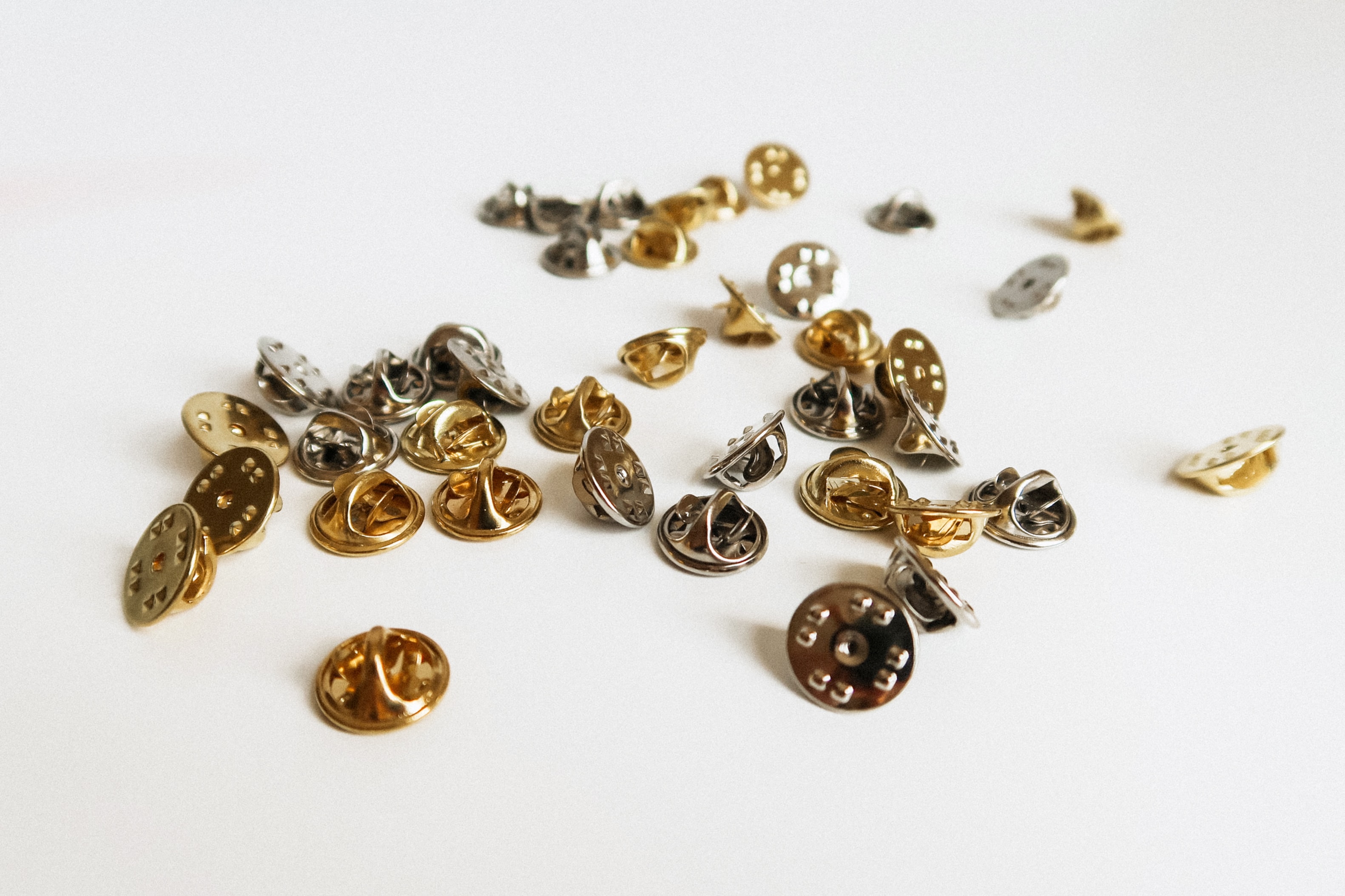 Why choose copper for custom badge accessories butterfly hat?
  What are the materials for making metal badges?
  Badge Customization--Material
 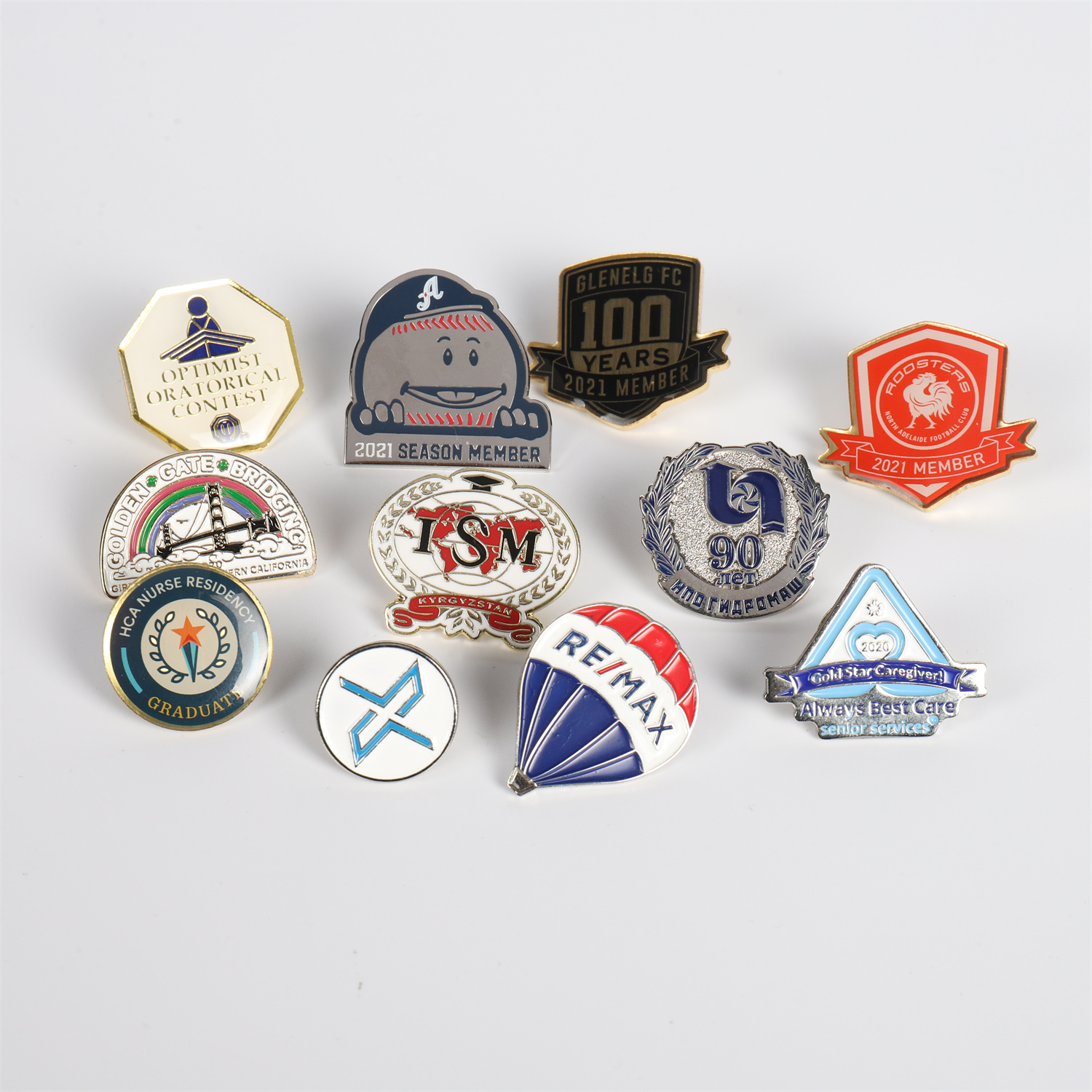 Talking about why zinc alloy badge customization will not rust?
 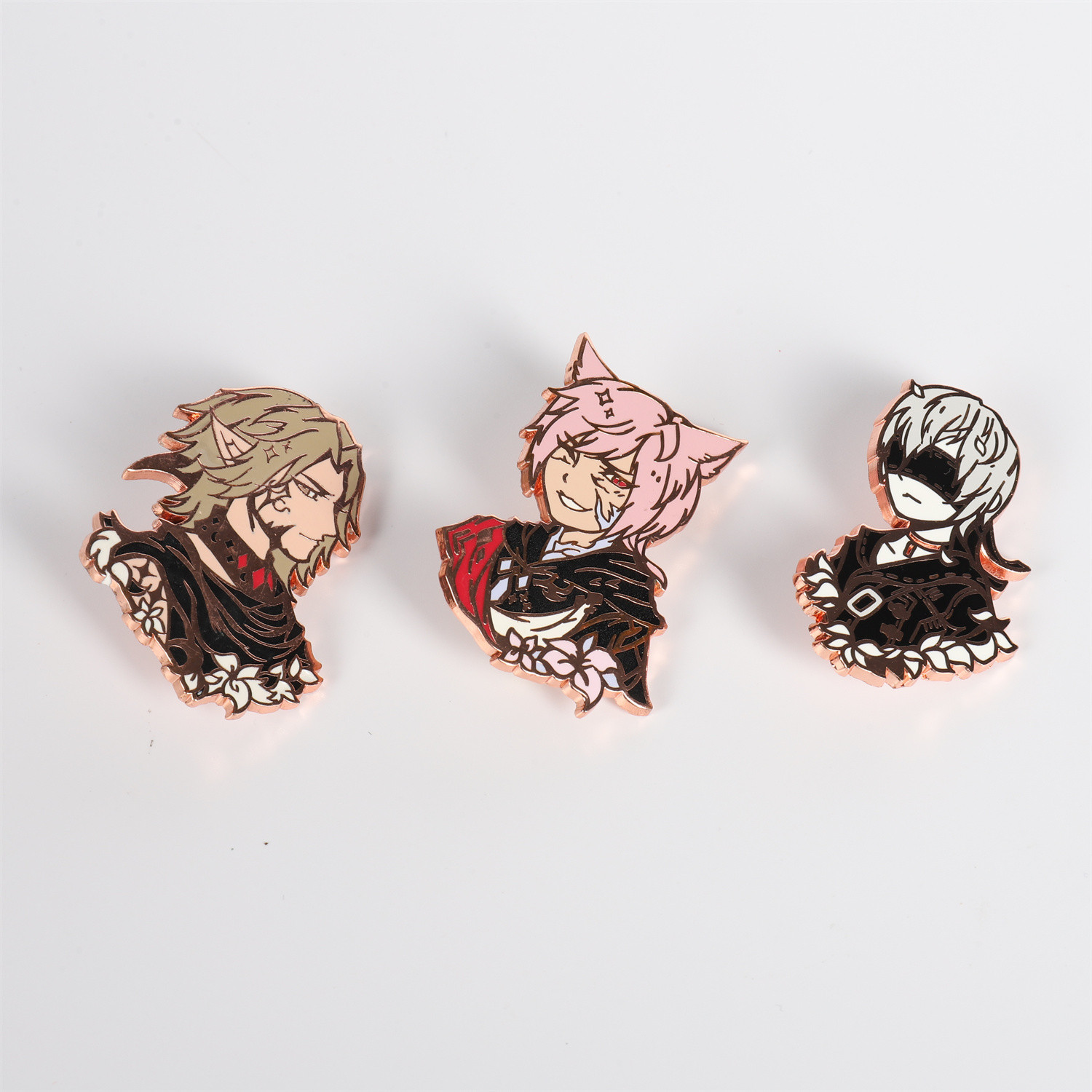 Customization of metal badge
 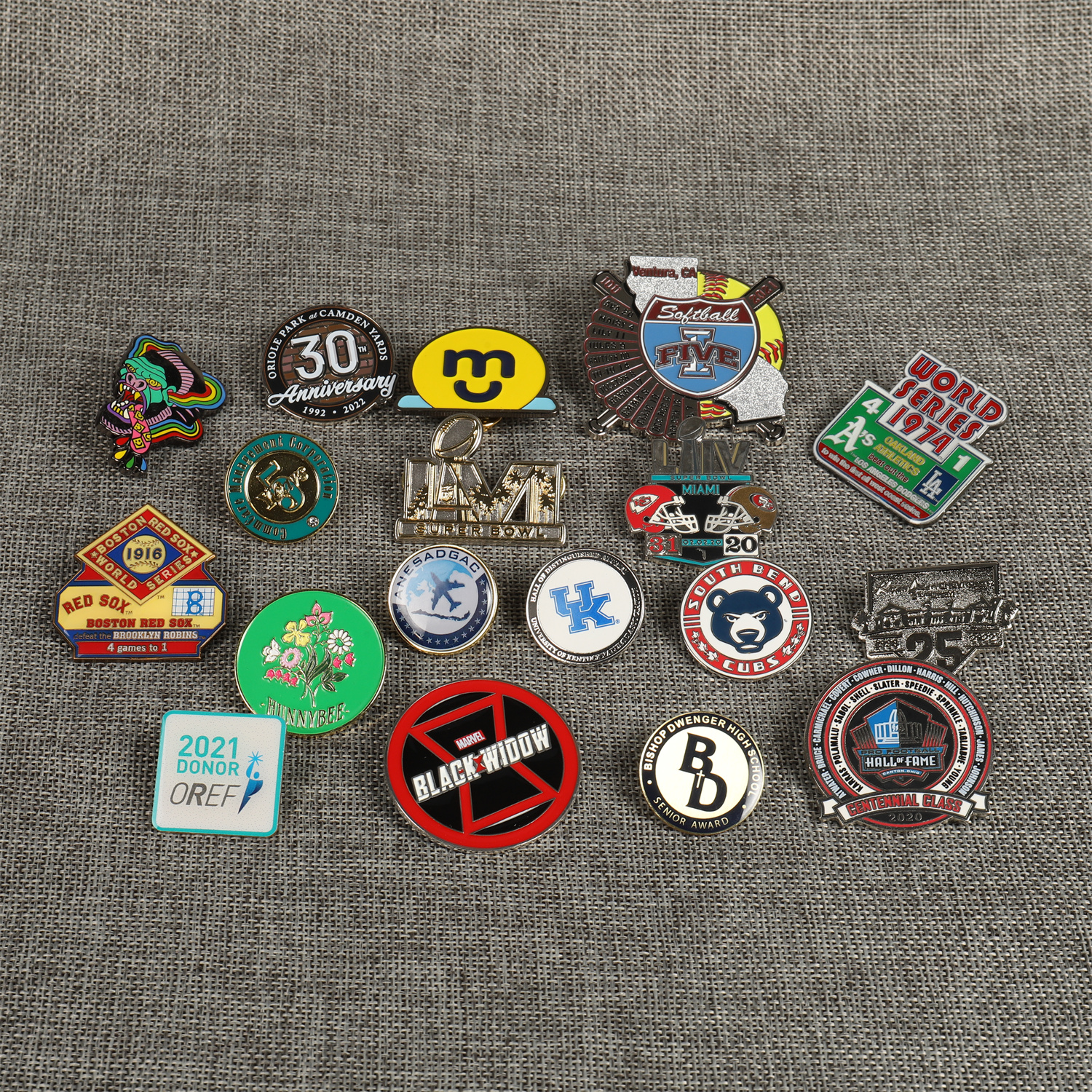 Custom badges Epoxy badges are also called printed badges
 - Why choose copper for custom badge accessories butterfly hats?
- The difference between imitation enamel badges and paint badges
 Medal badge customization service | customization precautions
 - Badge customization manufacturers: the production process of metal badges
- Common size and thickness of badge customization
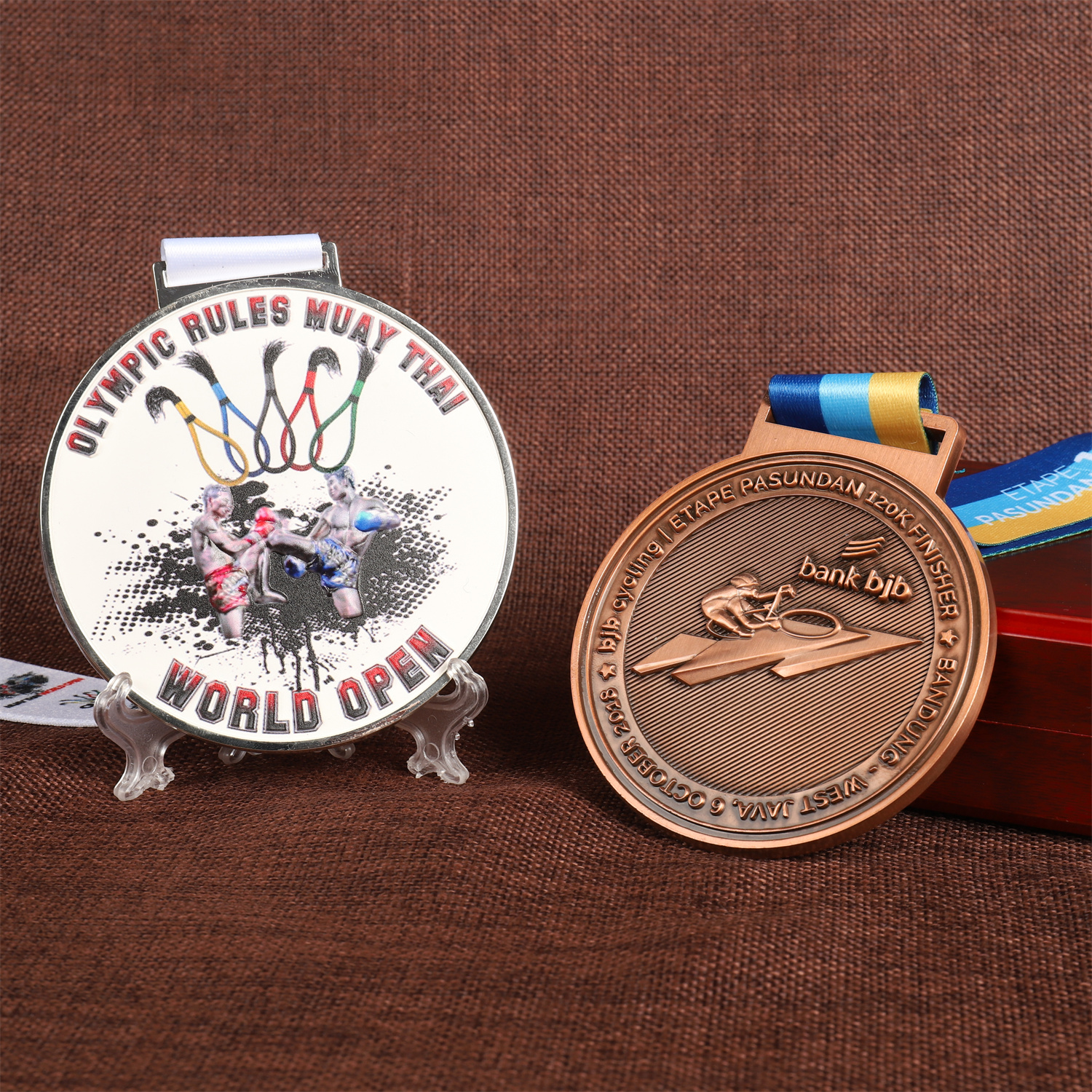 Why do marathons need marathon medals?
 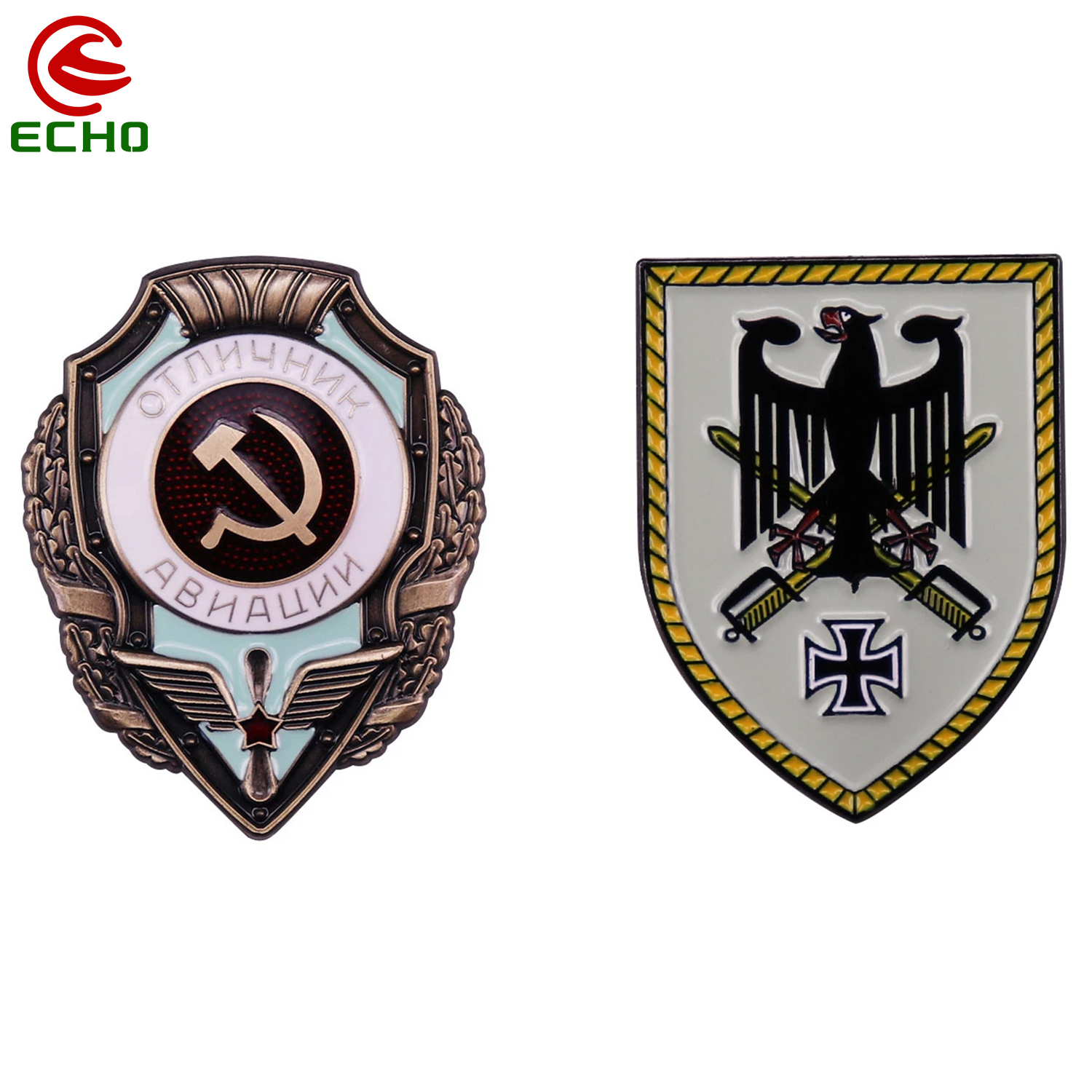 The Significance and Ways of Making Enterprise Metal Badges
 - About Soft Enamel Technique Of Custom Lapel Pin
- Process Of Different Printing Technique
- Introduction Of Printing And Soft Enamel Lapel Pin
- The difference between real enamel craftsmanship and imitation enamel craftsmanship
- Several problems that are easily overlooked in badge customization
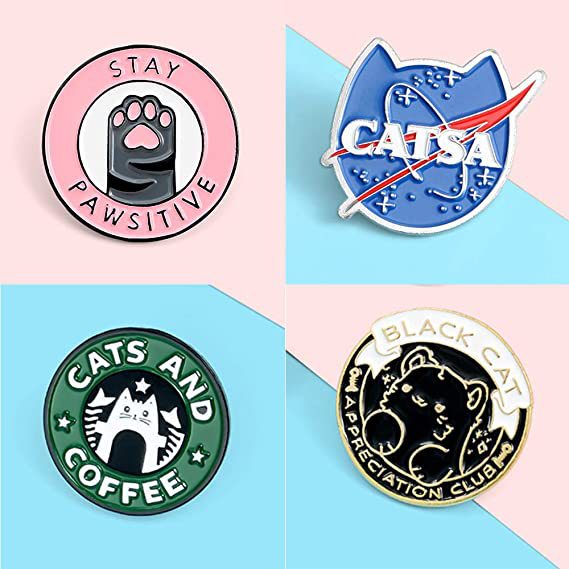 The difference between enamel badges and imitation enamel badges for badge customization
 - What factors determine the price of medal customization?